Exploring the psychology behind player behavior in casinos
The Allure of Casinos: Understanding the Attraction
Casinos have long been regarded as captivating spaces that draw individuals from all walks of life. This allure can be attributed to the stimulating environments they create, filled with bright lights, vibrant sounds, and the promise of instant gratification. These factors work together to evoke excitement and anticipation, significantly affecting player behavior. Many players enjoy their time in an environment that allows them to engage in casino without verification and feel the thrill of the game. The sensory overload experienced in casinos often leads to the phenomenon known as the “gambling rush,” where players feel an adrenaline surge that can be both exhilarating and addictive.
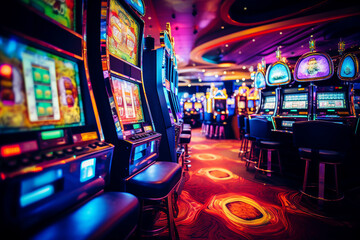
Furthermore, the social aspect of gambling also plays a crucial role in attracting players. Many individuals are drawn to casinos not only for the chance to win money but also for the camaraderie that comes with playing in a communal setting. Engaging with others, whether through friendly banter at the poker table or shared excitement at a slot machine, enhances the overall experience. This social interaction can reinforce gambling behavior, as individuals often feel a sense of belonging, making it more difficult to resist the call of the casino.
The Role of Cognitive Biases in Gambling
Cognitive biases significantly influence how players perceive their chances of winning and their overall gambling experience. One common bias is the “illusion of control,” where players believe they can influence the outcome of games through their actions, even in purely chance-based games like slots. This misconception can lead to increased gambling, as players become overly confident in their abilities to beat the odds.
Another prevalent bias is the “hot-hand fallacy,” where players assume that a winning streak will continue. This belief can cause individuals to take more risks, increasing their betting amounts and time spent gambling, often leading to significant losses. Understanding these cognitive biases is essential for recognizing why players behave the way they do in casinos, as they often act against their self-interest due to distorted perceptions of chance and control.
The Emotional Rollercoaster of Gambling
The emotional experience associated with gambling is a powerful driver of player behavior, often creating a rollercoaster of highs and lows. The thrill of winning brings immediate joy and elation, while losses can lead to frustration and despair. This cycle of emotions keeps players engaged, as they chase the next high that a win might bring. It is this emotional volatility that can make gambling so compelling, as players often seek to recapture those euphoric moments.
Additionally, the absence of wins can lead to a psychological phenomenon known as “loss chasing,” where players continue to gamble in hopes of recovering their losses. This behavior can escalate, resulting in a cycle of increased bets and prolonged gambling sessions, often leading to financial distress. Recognizing these emotional dynamics is crucial for understanding player behavior and the potential risks associated with gambling.
The Impact of Environment on Player Decisions
The physical environment of a casino significantly influences player behavior and decision-making. Factors such as layout, lighting, and even scent can have profound effects on how long players choose to stay and how much they are willing to wager. For instance, many casinos employ design strategies that minimize natural light and exterior views to create a sense of timelessness, encouraging players to remain engaged for extended periods.
Moreover, the arrangement of games and machines can affect gambling behavior. By placing high-stakes games near popular attractions, casinos can draw in players who may not initially have intended to gamble heavily. These strategic placements, combined with the overall atmosphere of excitement, can lead to impulsive decisions and increased betting amounts, highlighting the role of environment as a significant factor in player behavior.

Ensuring a Safe Gambling Environment Online
The increasing popularity of online casinos has transformed the gambling landscape, requiring a renewed focus on the psychological aspects of player behavior in digital spaces. While the principles remain similar to those in physical casinos, the anonymity of online gambling can lead to different behavioral patterns. Players may feel less inhibited, leading to increased risk-taking and potential compulsive gambling.
To combat these challenges, secure online environments are essential. Websites prioritize user security and provide insights into their protective measures, fostering confidence among players. By ensuring that users have access to support for any issues that arise, these platforms contribute to a safer gambling experience. Enhancing security not only protects players but also promotes responsible gambling by encouraging users to navigate challenges effectively.